Should you stretch?

Have you ever wondered why we choose to stay active? Well, it turns out that being active not only makes us feel good, but it also helps us to have more friends and feel better about our bodies. Research has shown that just 30 minutes of intense exercise is all that's needed to improve our self-image and boost confidence. It's no surprise that many of us prioritize physical activity in our busy lives, considering the incredible impact it has on health and happiness.
Moving our bodies isn't just beneficial for overall wellbeing - it's pretty transformative on a physiological level too. When we flex and stretch our muscles it boosts the fascia, helps heal joints, and enhances mobility. But, have you ever thought about what's really happening to your body when you do a stretch?
Fascia and synovial fluid

Fascia is everywhere! It wraps around organs, muscles, bones, and even nerve fibres. This biological matrix essentially connects all the inner workings of our body into one harmonious functioning unit. Fascia is gaining attention as one of the most complex systems in human anatomy. It's like a metabolic powerhouse, interacting with hormones and neurotransmitters, and it's also a mechanic in nature, playing a role in muscle contraction.
When we stay inactive for extended periods, our fascia starts to thicken, causing inflexibility and muscle stiffness. It can even become like a tangled web, getting all knotted up, trapping nerves that sometimes sends pain signals. These nerve signals can also travel to distant areas because of how interconnected our fascia is. Interestingly, pain can be felt in parts of the body that have nothing wrong with them - so, it is this level of interconnectivity that makes our fascia influence the entire body in ways we might not even expect!
Whenever we enhance our overall physical fitness, our fascia begins to adapts to its new and improved environment. Even when our fascia gets injured, it's pretty resilient, and has this amazing ability to eventually heal itself. It can take a long time though, sometimes up to two years!
Stretching exercises are a fantastic way to boost the fascia function and to ease pain over time. Manual manipulation, like massage can also help fascia by temporarily reducing discomfort. If you think of your fascia like a wet suit that's wrapped around your entire body, the smoother and more elasticity it has, the less restricted you will be. It requires movement and sometimes touch to help repair and reorganize any damaged fascia and to keep it healthy!
Let's talk about our joints synovial fluid. When we stretch our muscles, our body releases this nourishing and lubricating fluid into the joints. Synovial fluid plays a key role in clearing out debris, packed with proteins like hyaluronic acid and lubricin, along with some stem cells that help in cartilage repair. This fluid literally heals our joints and also prevents wear and tear or arthritis in aging joints.
Stretching and power

Stretching helps our muscles grow longer. As we stretch these small muscle contractile components, called sarcomere units, start multiplying which physically alters our muscle length over time. As the body increases its range of motion so does strength over a wider range of motion. This expands what we are physically capable of and makes us stronger overall!
How to master stretching

The more you stick to a stretching routine, the easier it gets. Your muscles are like little messengers firing signals to the spinal cord that usually prompts a contraction response, but with regular stretching, those signals start to diminish. This is known as the alpha-gamma feedback loop. With regular stretching, the brain adapts and begins to allow you to go deeper, with less resistance, boycotting the body's natural response to tense up. Keep in mind that this muscle contraction can serve a powerful function to prevent overstretching, so if ever you feel tension accompanied by joint pain, it's a good signal to lighten up on your stretches.
When we hold a stretch for long enough there's also these receptors, called golgi tendon organs, that signal to the brain to inhibit contraction which allows the muscle to lengthen further. The more you practice static stretching - holding poses for at least 30 seconds or more, the easier it will become to go deeper into the stretch with less resistance. With all that being said — if you aim for at least 5 minutes of stretching per muscle group, six days a week, you’ll start to see some amazing results based on consistent and static stretching over time. That should be fairly easy to achieve by taking a regular yoga class or by doing about 15 full body stretches for about a minute each for a total of 15 minutes most days.
What's the catch?

Some people argue that stretching can make you too flexible, which could lead to injuries, or that it won't actually boost your mobility, or that it might even make you weaker. But let's consider for a moment just how natural stretching is. The first thing many of us do in the morning is to instinctively reach for a stretch because this primal instinct is is a great way to achieve greater strength and full body benefits.
However let's not forget the importance of strengthening exercises. You can actually achieve greater mobility when you become stronger because the body will feel that it's safer to open up! Also, take it slow. While it can be exciting to make improvements to your mobility, it's important to remember that it's a journey and not a destination. Stretching actually requires months to improve range of motion and significant results may take years.
The benefits of yoga props
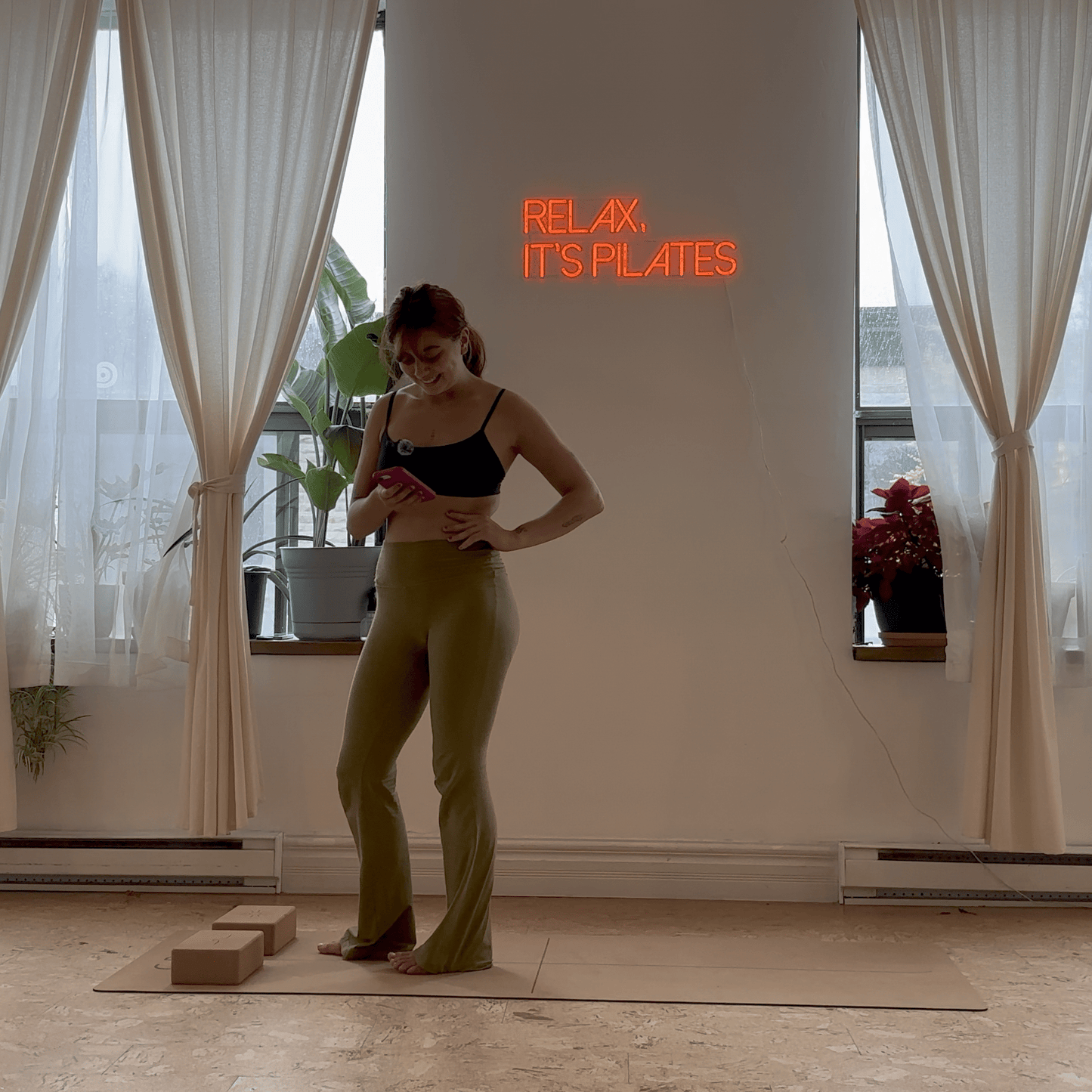
One of the best things you can do to help your body relax in stretches is to avoid going too far with the help of yoga blocks. When you're in a stretch, it's normal for the body to enter fight or flight because it actually feels threatening, so just focus on your breath to activate the parasympathetic nervous system, and support yourself as much as possible. Blocks can help the body relax into stretches and release even deeper, so that you can progress more quickly and safely.
Pick the best yoga blocks
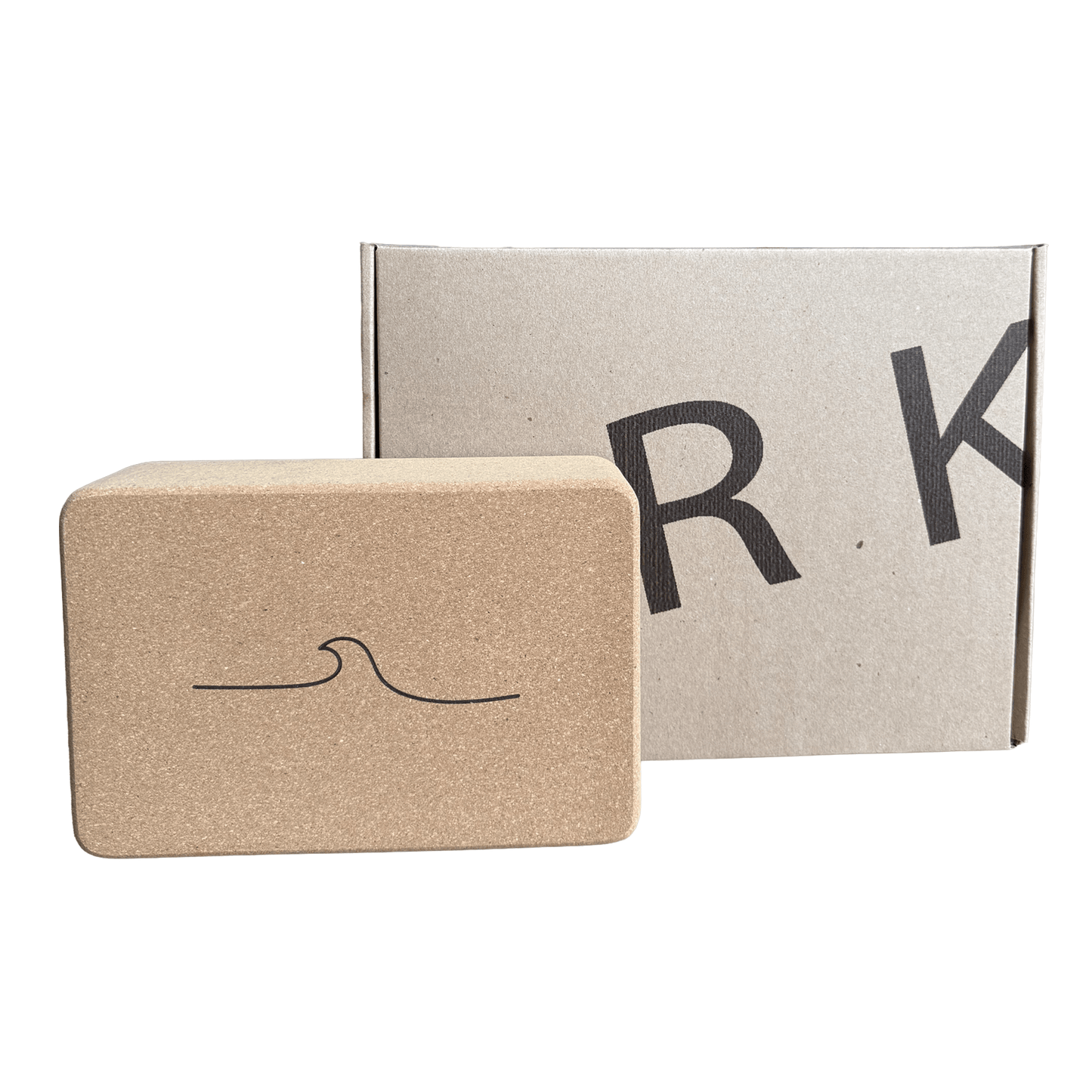
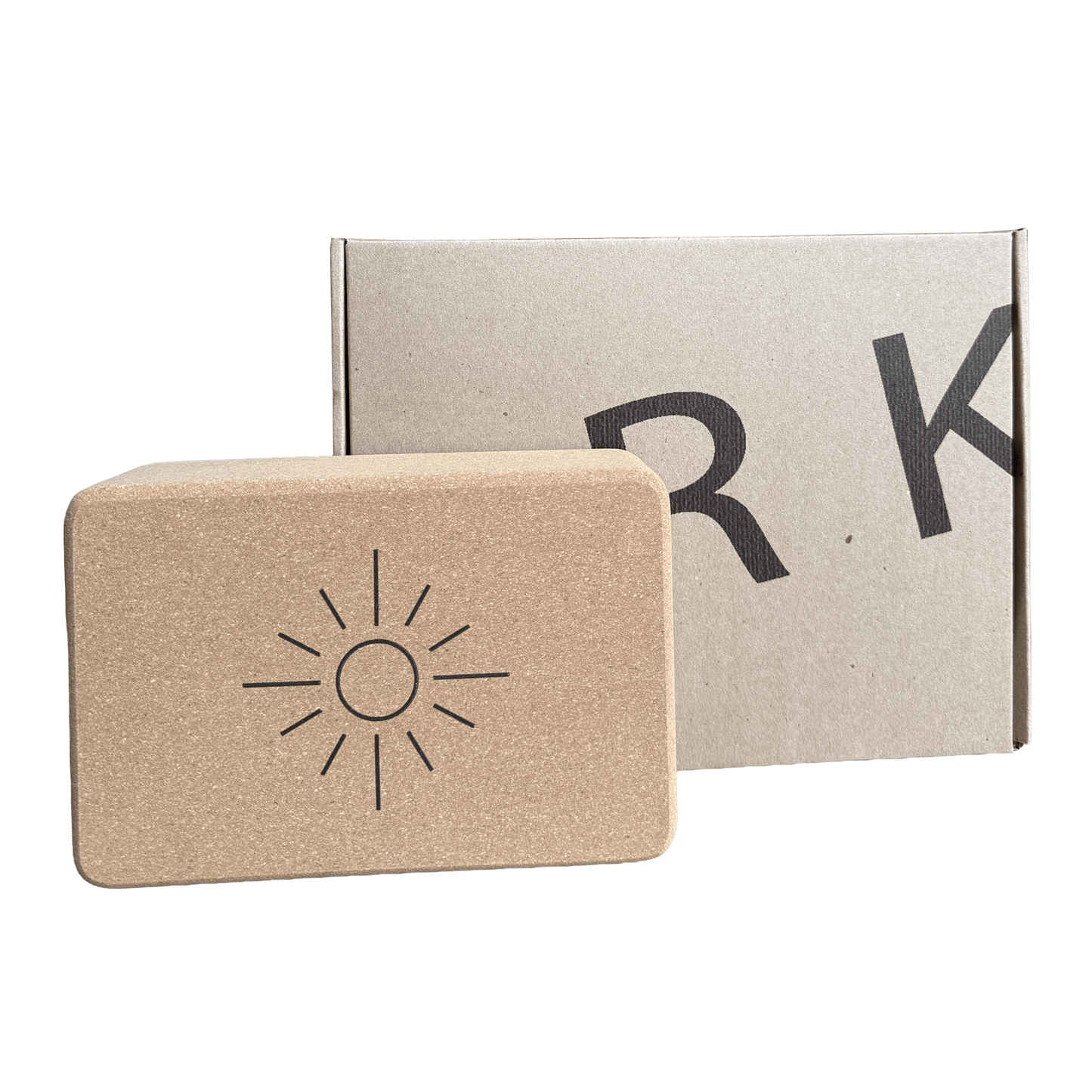
Look for blocks that are supportive and sturdy! Some blocks are made of toxic foam and are ultra light, slipping easily out of place. When you opt for a heavier cork block, it provides more stability and helps the body ease into poses. Cork blocks are also a little softer and more comfortable to use than hard wood blocks - another non toxic option. The coolest added benefit of cork blocks is that they are naturally antimicrobial so they remain in great condition, supporting you and your practice over time!