3mm vs 5mm Yoga Mat • Premium Thickness & Cushion Guide
Sarah DandurandWhen it comes to buying the right yoga mat, mat thickness, in mm, is a decision not to be taken lightly. Especially if you're investing a lot in your mat, not just when it comes to cost but also time that you spend on it. Choose 3mm if you want a low, stable base for balance work and travel, or choose 5mm if you want added cushioning to protect your knees and wrists on hard floors. Anything more or less will go toward either extreme with 4mm being a perfect middle ground, offering the best of both worlds.
Overview
- A 3mm mat provides better proprioceptive feedback and stability ideal for balance and travel, but offers less cushioning for knees and wrists on hard floors.
- A 5mm mat offers more joint protection and comfort for seated and kneeling poses, especially on tile or concrete, but can feel less stable to practice on and heavier to carry.
- Cushioning effectiveness depends on material density and quality, meaning that a denser 4mm natural rubber mat can outperform a 6mm synthetic foam mat, even when it comes to comfort.
- When it comes to choosing mat thickness, there's no better option than to test the mat out before purchasing, which you can do at some studios that offer rental mats.
- As a general rule, most people benefit from a 4mm mat with high-density material for balance, joint support and durability.
3mm vs 5mm yoga mat
A quick side-by-side comparison can help you decide what's right for you!
3mm mats:
- Pros: closer floor contact, lighter for carrying, rolls small for a bag or suitcase.
- Cons: less padding under knees and wrists, can feel hard on concrete or tile.
- Best for: vinyasa flow with balance sequences, travel, studio classes with padded floors.

→ Experience The Army Mat (3mm Ultra-Stable Grounding)
5mm mats:
- Pros: noticeably more cushion for kneeling and seated poses, forgiving on hard floors.
- Cons: slightly heavier to carry daily, a touch less ground feedback in standing balance poses.
- Best for: home practice on hard floors, mixed styles but especially great for restorative and stretching practice.

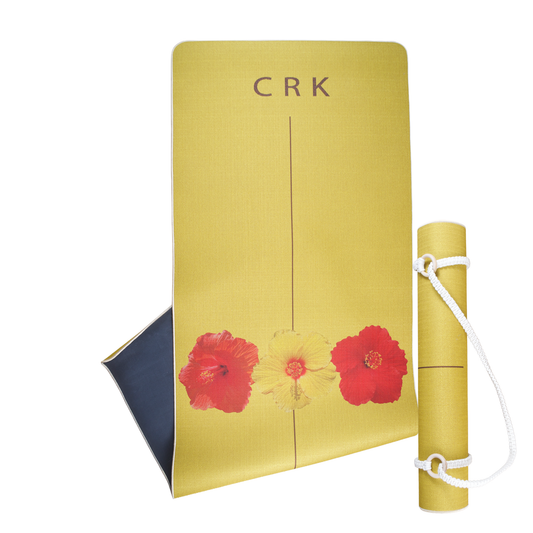
→ Experience the 5mm Limited Edition Hemp Mat
Bodyweight matters too. New or heavier practitioners tend to require a thicker 5mm mat for adequate joint protection. 3mm mats are mostly enjoyed by advanced yogis that do high performance yoga styles and have minimal joint sensitivity.
Why do thinner mats feel more stable?
A 3mm mat keeps you closer to the floor, and since you need a stable surface for balancing, being close to a hard floor helps. The thicker the mat, the more you can rock or shift on the soft surface.
Poses that benefit from added stability:
- Tree pose & Warrior III: you're standing on only one leg, which requires all the stabilizer muscles in your foot and ankle to activate, so feeling a little hardness from the ground below puts less pressure on these muscles.
- Handstands: in this case, your hands are pressing into the mat to support your entire body and since balance is more challenging in inversions, too much softness under the hands can easily throw off that sense of balance.
How does thickness impact weight?
As you might have guessed, the thicker your mat is, the more it weighs. A standard 3mm mat should be noticeably lighter and roll into a smaller diameter than a 5mm mat. Even 1 pound of added weight can make a huge difference when carrying your mat to a yoga studio daily. Heavier mats that are thicker and wider mats may also add extra bulk that can easily get on things while you're walking around.

Quick tips for frequent travellers:
- Invest in a compact mat 3mm or less.
- Roll your mat when you can. Folding can create creases over time.
- A high quality strap can help keep mats from unrolling in transit and can make carrying your mat feel that much lighter.
- Most standard mats are close to the size limit for carry-on bins, but always check before you depart.
Does the mat’s material matter more than its thickness?
Yes, and this is the part most buyers don't often think of. You cannot assess the impact that mat thickness will have on your practice, if you do not consider the material that it's made of. Two mats listed at 4mm can feel completely different depending on their materials.
Compression resistance is directly related to how dense the material is that you're getting. When a mat is 'high density' it is considered more compression resistant and high quality whereas mats that are 'low density' might offer little padding on hard floors. This is because they compress easily under your body weight, so you sink right to the floor beneath. So, a thicker, low density mat might actually feel less comfortable than a thinner, but higher density mat.
How do I know if a mat is high density?
You can generalize that mats made of higher quality or high technology materials as being high density. This might include natural rubber or otherwise synthetic mats that use advanced technology. Usually a brand or yoga mats seller will specify when a mat is made of high density material but you can also check the price tag, since high density mats are more expensive to produce. For example, cheap PVC mats tend to be low density mats, and require a lot of extra thickness to feel comfortable, whereas natural rubber is almost always high density.
Choosing between 3mm vs 5mm checklist
- Assess the mat's materials. Now that you know about high density, use that information to decide how much thickness you require. If you're getting a cheap low-density mat look for ones that are 4mm or more for comfort. When you buy high density mats, you can purchase a wider range of mat thickness because you don't have to worry!
- Identify your primary use. For balance-heavy or travel-heavy practice consider a 3mm mat, whereas restorative practice on hard, at-home floors might be better with a 5mm mat.
- Consider your level. If you're an advanced yogi with little joint sensitivity, a 3 mm mat will be a better option than if you're a complete beginner and still getting used to how it feels.
- Run a single-leg balance test. No matter what your practice style is, balance is always important. If you absolutely cannot balance on one leg, then the mat is too thick to use.
- Test. It is really hard to choose a mat without trying it out first. While not always accessible, look for studios that offer rental mats in materials that you would consider purchasing and try one out!
Feeling stuck in the middle? Get a 4mm that offers the best of both worlds!
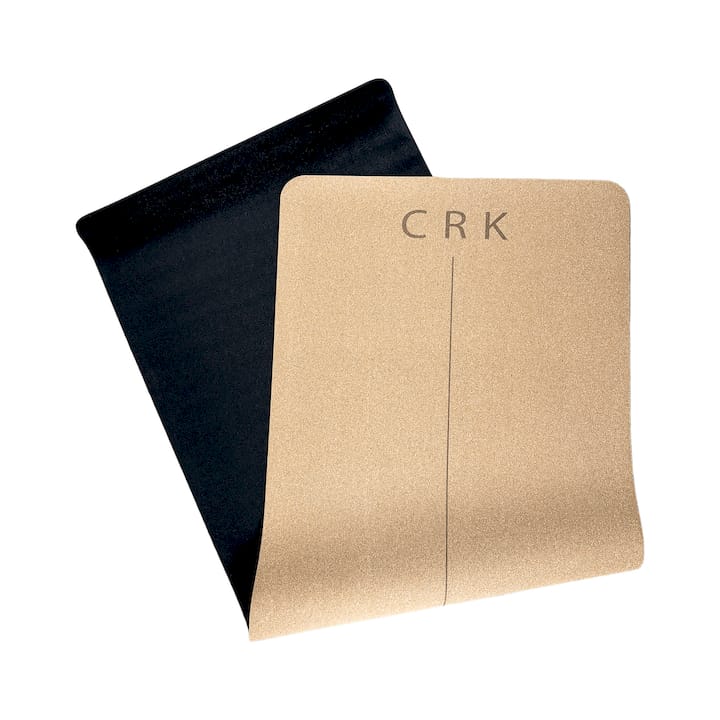
If you’ve read this far, weighing out the pros and cons of different yoga mat thicknesses, then congrats! You already know a lot and are one step closer to finding the perfect mat! Don't miss out on Crk’s Standard Mat, which sits at 4mm in organic cork and high density natural rubber, a design built to give you the perfect combination of support and stability.
Additional Sources
Benefits of Yoga According to NCCIH