
Mat Maker Small Space Storage: Keep Yoga Mat Fresh, Air Dry 3–4 Hours
Dry it fully first. Then roll it loosely with the practice side facing in, or hang it, and store it somewhere cool, ventilated, and shaded. Skip the bathroom and the car. This one routine stops mildew, keeps your grip intact, and adds years to a mat that would otherwise break down fast.
TL;DR:
- Proper drying and airing are crucial to prevent mildew, odour, and deterioration, especially for natural rubber and cork mats.
- Loosely rolling practice-side-in with even tension and storing in a cool, shaded, ventilated spot extends a mat’s lifespan significantly.
- Hanging mats in humid environments or flat storage for thick mats (6mm and up) can enhance airflow and reduce creases or dents caused by tight rolling.
- Regularly unrolling of your mats resets the material, minimizes curling, so go ahead and use this as an excuse to practice even more!
Table of Contents
- How to store a yoga mat: your after-class checklist
- What’s the right way to dry and clean a mat?
- Which storage method actually protects your mat?
- Does mat material change how you should store it?
- Small-space storage ideas that keep mats ventilated
- Why does my mat smell, feel sticky, or curl, and when should I replace it?
- Why storage habits matter more than the mat you buy
- Get storage-friendly gear that does half the work for you
- Sources
How to store a yoga mat: your after-class checklist
Run this checklist after every practice, and your mat storage problem basically solves itself.
- Wipe both sides. Use a gentle cleaner, sometimes even on the side that touched the floor.
- Air-dry completely. Unroll it or hang it over a chair, rack, or railing until both sides are dry to the touch.
- Roll it loosely, practice-side out. If your mat isn't dense enough to remain rolled and stand on its own, you may consider a wide cotton strap to keep in it place.
- Pick the right spot. Cool, dry, shaded, and ventilated beats in your closet or car.
- Do a weekly reset. Try not to keep your mat tightly rolled for more than a week without unrolling it for your practice.
Pro tip: Look for high quality mats that say high density, as they will be much more likely to lay flat each time you unroll them.
What’s the right way to dry and clean a mat?
Drying is the step that actually determines how long a yoga mat lasts, not the cleaner you use. Trapped moisture within the mats fibres is what breeds bacteria and smells.
- Use a mild soap solution or diluted mix of vinegar and essential oils. You might consider skipping harsh cleaners, including alcohol and vinegar for highly porous surfaces, like natural rubber.
- Air-dry your mat fully and check both sides for dampness before rolling it up.
- In humid climates, budget more time. A mat that dries within an hour on dry and cold winter days might need much longer during a hot and humid summer.
- Save a deep clean for once in a blue moon or when you start to notice stains, where sweat and debris has fully absorbed into the mat's surface.
Rolling a mat while it’s even slightly damp is the single fastest way to lock in odour, because the moisture has nowhere to go once it’s been trapped.
Which storage method actually protects your mat?
There’s no single right answer here. The best method depends on your mat’s thickness, materials, cleaning method and your climate.
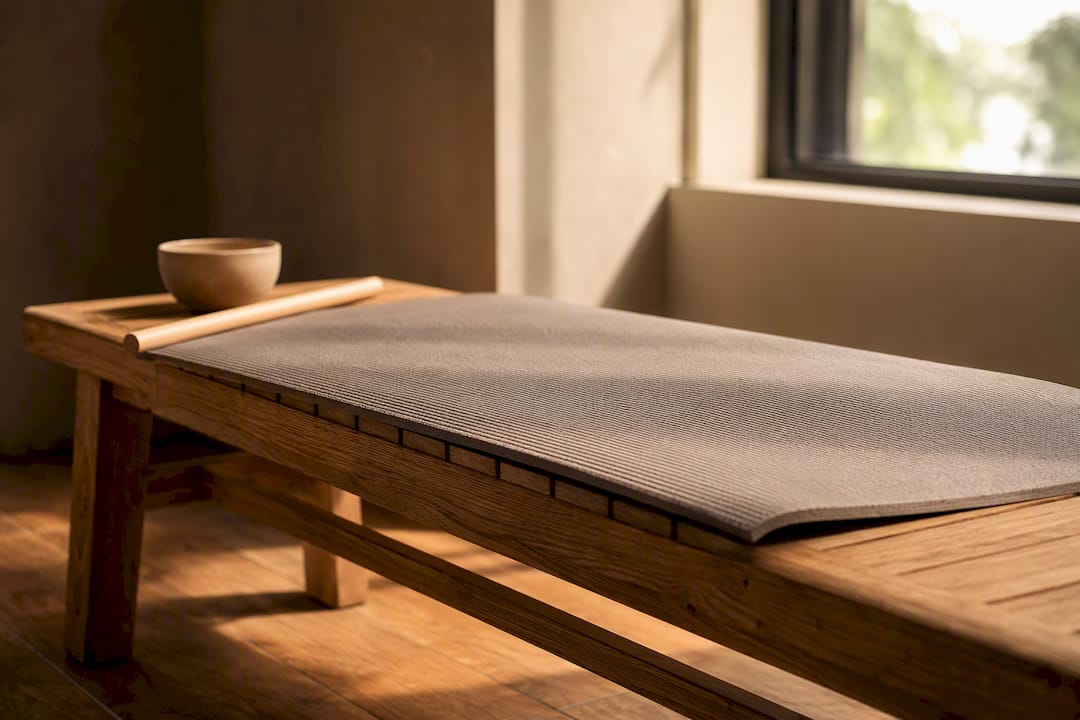
Loose rolling can help mats to continue to stay fresher for longer. A six-step routine that ends in a proper roll, rather than an uneven or sloppy one, is what separates a mat that lasts years from one that is disheveled.
Hanging gives you the best airflow of any method, especially when your mat is very wet, and is necessary after a deep clean. Use a wide rail, or drape it over a small table, and never a thin rail that concentrates weight on one spot and warps the material.
- Hang to dry when heavily soaked.
- Avoid sharp folds.
Flat storage can be useful if you have the space for it, like a dedicated fitness room. Just be mindful that your mat will only be as clean as the floor is.
Breathable bags are for transport, not long-term storage. Hanging or a loose roll beats a bag every time once you’re home, since even a mesh bag may trap some moisture and limit airflow.
Does mat material change how you should store it?
Yes, and this is where most generic advice falls apart. A PU mat and a cork mat do not age the same way.
- Cork is an antimicrobial and high quality yoga mat material but it still needs proper care, especially when it comes to air drying and limiting outdoor use, since the surface can easily become soiled outdoors.
- Natural rubber is sensitive to UV and heat. Direct sun on a windowsill can more easily dry out and crack these surfaces faster than any other mat. Always store fully dry, away from direct light.
- PU mats are the most forgiving, but they shouldn’t sit with moisture and when a stain finally settles it may not be possible to remove. When properly cared for, they are highly resistant to smells and bacterial built up because of their closed cell designs, and they can last a decade before ever needing to be replaced.
- Hemp mats are highly resistant to dirt, featuring durable materials that do not hold onto debris and are naturally antimicrobial. These mats are not impacted by heat and sunlight, so they are the perfect mats for outdoor use.
- Travel mats tend to be a bit on the thinner side and lighter side, and need the same care as all of the above mentioned mats. It is especially important to unroll them when wet, and you to consider allocating sufficient drying time between commutes.
Pro Tip: Standard mats run about 24 inches wide and some larger mats are 26" wide, so measure your own mat before getting a rack to hang it on.
Small-space storage ideas that keep mats ventilated
Renters and small apartments need solutions that don’t require drilling holes or dedicating a closet. The trick is picking options that keep air moving around the mat, not just tucking it out of sight.
- Over-door hangers with a wide bar work in almost any rental, no tools required.
- A closet-rod strap loop lets you hang a mat next to your clothes without a dedicated bracket.
- Pegboard rails or wall-mounted racks suit anyone storing two or more mats.
- Vertical stands and open baskets work, but only for mats that are already dry. A damp mat in a basket is a breeding ground for bacteria.
- Use a wide fabric band or a thick carrying strap rather than a thin band that cuts into cork and rubber over time and can leave a permanent dent.
Pro tip: Remember to measure your rolled diameter against the rack clearance before buying anything. A 4mm cork mat and a 6mm cushioned mat won’t fit the same bracket.
Why does my mat smell, feel sticky, or curl, and when should I replace it?
Most storage complaints trace back to one of three causes, and each has a fix.
- Musty odour almost always means the mat was rolled or bagged before it was fully dry. Fix: deep clean, then air-dry for a full day before rolling again.
- Stickiness usually comes from cleaner or sweat residue that never got wiped off. Fix: repeatedly rinse thoroughly with water and avoid oil and soap based cleaners until all the remaining residue has come off.
- Curling comes from long-term tight rolling, especially on low density mats. Fix: lay it flat on a regular basis or buy a higher quality mat.
If grip has dropped enough to feel unsafe mid-pose or if smells keeps coming back no matter how you clean it, that’s your signal to retire the mat. Lifespan varies widely by material and care habits. A well-maintained mat can run for years; a neglected one can fail within months.
Why storage habits matter more than the mat you buy
Most people blame their mat when the real issue is where it lived for the past six months. Some yoga mats built with organic cork and natural rubber reward good habits and punish bad ones fast, and unlike synthetic mats they come with a higher price tag and may be less easy to replace.
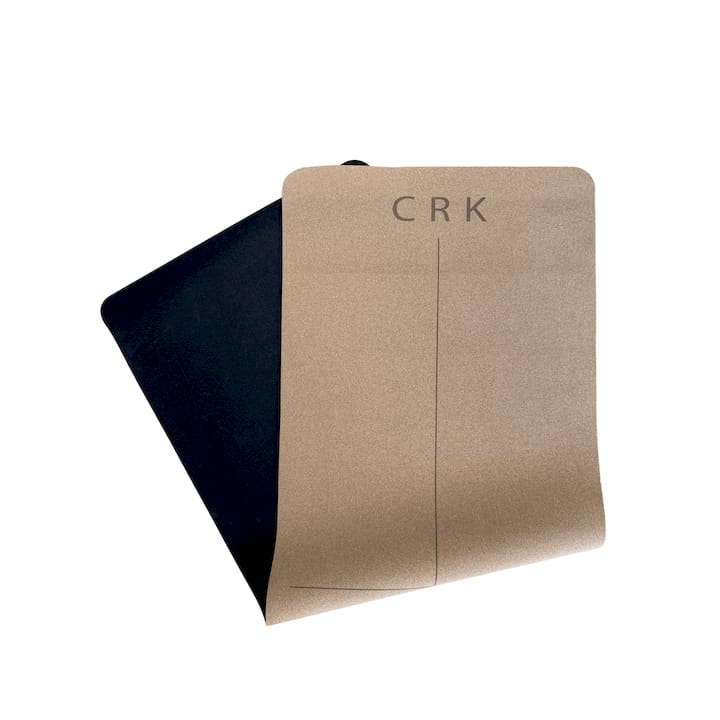
That’s not a flaw. It’s why our mats carry anti-microbial properties, are made of high density SGS-certified rubber and premium cork that stays visible and grippy for years, provided you follow a diligent drying routine. Store one wet in a bag, and you’re prematurely aging high quality and high performance materials. Store it dry and well ventilated area for a mat that's built to last.
— Crk
Get storage-friendly gear that does half the work for you
Use a wide fabric carry strap since it spreads pressure evenly across the rolled up mat instead of concentrating it in one spot, so your mat remains flawless. Pairing that strap with a cork mat built to last closes the loop. Cork resists odour buildup better than most synthetic surfaces when it’s properly dried between sessions, which means less scrubbing and a mat that has a longer useful lifespan. If you’re shopping for a standard-thickness mat that suits both rolled and flat storage, check for mats around 4mm thick which is a gold standard for overall functionality. Pick your mat, grab a strap, and set up a spot that gets airflow. That’s the whole system.
Sources
- How to Store a Yoga Mat So It Lasts
- How to store a yoga mat: the complete guide for odor-free and long-lasting mats
- Yoga mat dimensions: sizes, weight & fit chart


