
Dry Your Yoga Mat in 5-60 Minutes Without Damaging Cork or Rubber
Clean and then wipe off excess water with an absorbent towel, and then let it air dry un-rolled, in a well-ventilated spot until it’s dry to the touch. That’s it. Skip the clothes dryer and skip the hair dryer. A mat like Crk’s cork surface handles this routine well and resists the smell that comes from drying it wrong.
TL;DR:
- Using the air dry method removes excess water more effectively than immediately rolling it up and putting it away, especially for saturated mats, reducing drying time.
- Open-cell natural rubber mats may require longer drying times and more airflow control to prevent microbial growth and damage from moisture.
- Avoid heat sources like dryers or space heaters, as they are unnecessary, and always let mats fully dry before storage.
- Proper storage in rolls and dutiful unrolling between sessions minimizes trapped moisture, keeping your mat cleaner and in better condition for longer.
- Crk cork and recycled rubber mats resist odors and dry faster than fabric-faced or synthetic mats, making them more suitable for frequent use and proper maintenance.
Table of Contents
- Step-by-step methods to dry your yoga mat quickly
- Does drying method change by mat material?
- How can you speed up drying safely?
- What should you never do when drying a yoga mat?
- How long does a yoga mat actually take to dry?
- Storage habits that make the next drying session easier
- Why Crk mats hold up well through repeated drying
- Most drying advice skips the material question entirely
- Ready for a mat that dries easier and smells cleaner longer?
- Sources
Step-by-step methods to dry your yoga mat quickly
How you dry a yoga mat depends on how wet it is. A quick sweat wipe needs a different approach than a full soak after a deep clean.
If it’s lightly damp: Wipe it down with a cotton cloth and let it air dry fully. Closed-cell mats, like PU, require much less drying time because they don’t absorb any moisture.
If it’s wet: Use the air dry method to remove moisture. For mats that are very saturated, allow extended drying time.
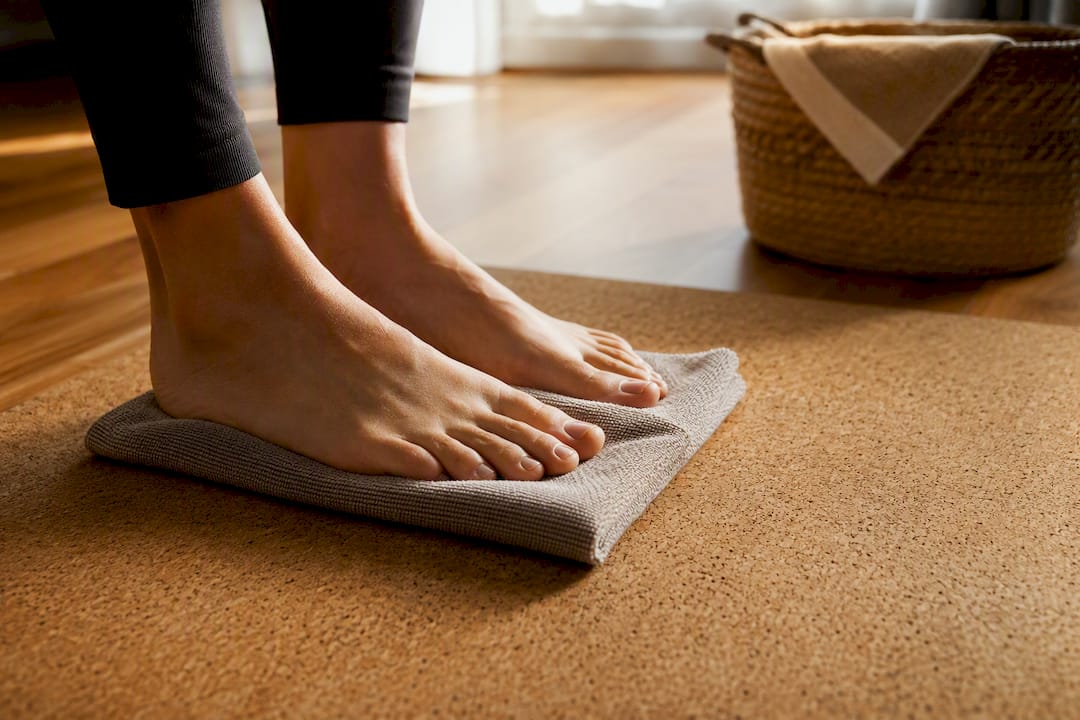
Pro Tip: If you’re mat is completely soaked from a deep clean, you can press and large towel down using your feet to dry the surface of the mat. You’ll cover more surface area per pass and use way less effort than using your hands.
Repeated towel pressing beats leaving a mat near a heater every time. Intense, prolonged and direct heat may warp and break down material over time.
Does drying method change by mat material?
Yes, and this is where most damage happens. Treating a natural rubber mat like a PVC mat, or vice versa, is the fastest way to shorten its life.
- Closed-cell mats (PVC, TPE): These barely absorb water. A wipe and a short air-dry, 20 to 60 minutes, is usually enough. Never submerge them for extended periods since water can seep into seams and become trapped by the closed cell material.
- Open-cell and natural rubber mats: These are more porous and hold moisture deep inside, not just on the surface. Air dry and expect a longer core-dry time before it’s safe to roll. Keep these out of direct sun completely.
- Cork mats: Cork sheds surface moisture fast because of its natural cell structure, but the rubber backing underneath needs the same care as any natural rubber mat. It is also very damaging to roll biodegradable and natural cork with even just a small amount of moisture. Allow plenty of airflow to fully dry your cork mat when wet.
- Jute and fabric-faced mats: Similar to cork mats, these should be wiped clean and air dried. They are very durable and easy to keep clean with proper maintenance.
Material porosity isn’t just about drying speed. It affects how long microbes can survive on the surface, too. Research on surface material and moisture retention shows porous materials, like natural rubber, hold onto both water and contaminants longer than sealed, closed-cell surfaces or cork, which is exactly why rubber mats require extended drying time and effective cleaners.
Crk’s Standard Mat uses a 4mm cork and rubber build specifically to balance grip with a surface that dries faster than fully fabric-faced alternatives.
How can you speed up drying safely?
Airflow does more work than most people give it credit for. A mat sitting in a still, humid bathroom can take twice as long to dry as the same mat hung somewhere with a cross breeze, like near an open window.
- Position the mat near a window or a fan to create cross-ventilation rather than pointing it at a stagnant spot.
- On humid days, run a dehumidifier in the room or move the mat somewhere drier, or even outside since high humidity slows evaporation regardless of airflow.
- To get the mat off the floor you can also hang the mat in a loose U-shape over a wide rail so air reaches both sides at once. Do not put it in a cramped closet that traps moisture instead of releasing it.
- Shaded outdoor spots work well for open-cell and rubber mats, and cork mats can even be aired and more fully cleaned in direct sun.
Direct sunlight has a disinfecting effect, but it can eventually break down 100% natural rubber surfaces through UV exposure and heat. A shaded porch or a covered balcony gives you outdoor airflow without that trade-off.
Pro Tip: If you’re drying indoors during a humid month, crack a window near your fan setup. Moving stale humid air out matters as much as moving fresh air in.
What should you never do when drying a yoga mat?
A few habits ruin mats faster than any amount of sweat ever could.
- Never put a mat in a clothes dryer, and don’t use a hair dryer or space heater on it either. Heat may degrade rubber and cork, and can warp closed-cell structures permanently.
- Skip thin-wire hangers. They create sharp creases that turn into permanent weak points and cracks.
- Don’t wring or twist the mat to remove water. That motion stresses the fabric and it may not fully recover.
- Never roll a damp mat for storage or transport. Carry it loosely folded or draped until you can hang it, then roll only once it’s fully dry.
How long does a yoga mat actually take to dry?
Drying time depends entirely on method and material, and the range is wide.
A quick wipe with a cotton cloth and air dry typically takes around 5-60 minutes for most mats. A deep soak, especially on open-cell or natural rubber mats, can take up to 12 hours to dry all the way through the core.
Test dryness by visually scanning for water marks and then pressing your palm flat against surface to feel for dampness. Everything should feel smooth and dry, not tacky or cold-damp. Tackiness is the biggest tell that moisture is still trapped below the surface.
If a smell shows up after drying, re-clean with a diluted vinegar solution or a dedicated cleaner, then extend the airflow time before trying again. If you notice cracking, flaking, or a mat that’s lost its cushion entirely, that’s usually permanent damage, not a drying problem. CDC cleaning guidance backs up the general principle here: cleaning removes contaminants, but proper air drying is what actually keeps them from coming back.
Storage habits that make the next drying session easier
Small habits between deep cleans cut down how often you need a full soak-and-dry cycle in the first place.
- Store your mat loosely rolled with the top side facing out, in a breathable bag or strap rather than a sealed plastic case.
- Unroll it occasionally between practices, even just for an hour, to let trapped air circulate.
- For highly porous mats, you may consider a separate towel on top of your mat during sweaty sessions so moisture never fully permeates the surface.
- Wipe the mat clean after each use, and deep clean once a month or whenever you notice a lingering smell.
Why Crk mats hold up well through repeated drying
Cork’s natural cell structure sheds surface moisture differently than woven or fabric-faced mats, which is part of why Crk builds its mats around it. Combined with an anti-microbial surface finish, that means less odour risk even when a session runs long, though full drying between uses still matters.
The recycled natural rubber backing on Crk mats needs plenty of airflow as any rubber mat. Direct heat, including car dashboards on hot days are not ideal, and it’s better to allow for open airflow. Following the same air dry method covered above keeps that backing intact for years of practice.
Most drying advice skips the material question entirely
Most yoga mat care guides treat every mat like it’s the same slab of foam. That’s the biggest gap in conventional advice: a PVC mat, a jute mat, and a cork and rubber mat don’t fail the same way, so drying them identically sets some of them up for damage.
The instinct to reach for a hair dryer or a sunny windowsill comes from wanting speed. But speed at the cost of the materials longevity isn’t a trade worth making. Towel pressure and patience do more for mat than any direct and intense heat source ever will.
If there’s one thing worth prioritizing first, it’s the air dry method, done properly, before the mat ever touches a rail or a rack. Everything else, fans, shade, humidity control, is just optimizing what happens after that first pass.
— Crk
Ready for a mat that dries easier and smells cleaner longer?
Fabric-faced and fully synthetic mats tend to hold onto sweat and odour long after they look dry on the surface. Crk mats are built around cork and recycled natural rubber specifically because that combination sheds moisture faster and resists the bacterial buildup that causes smells in the first place.
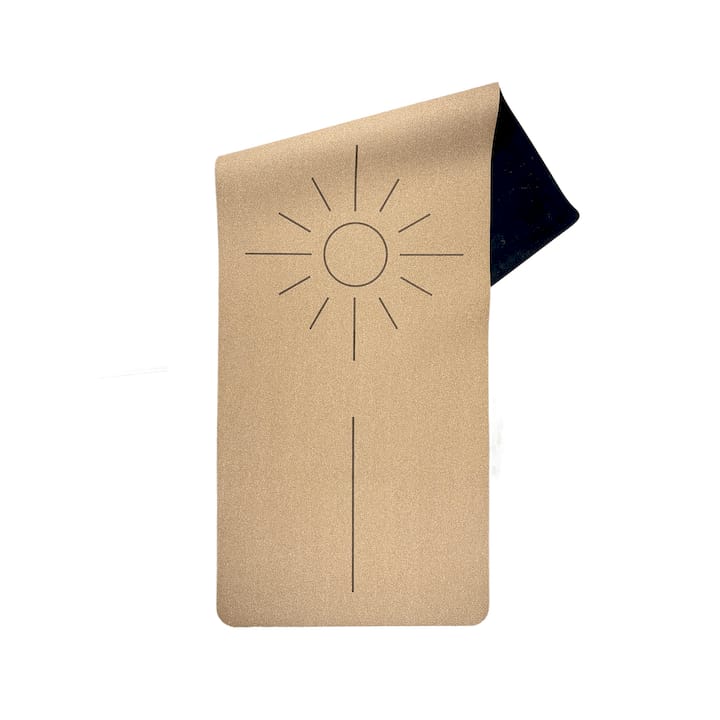
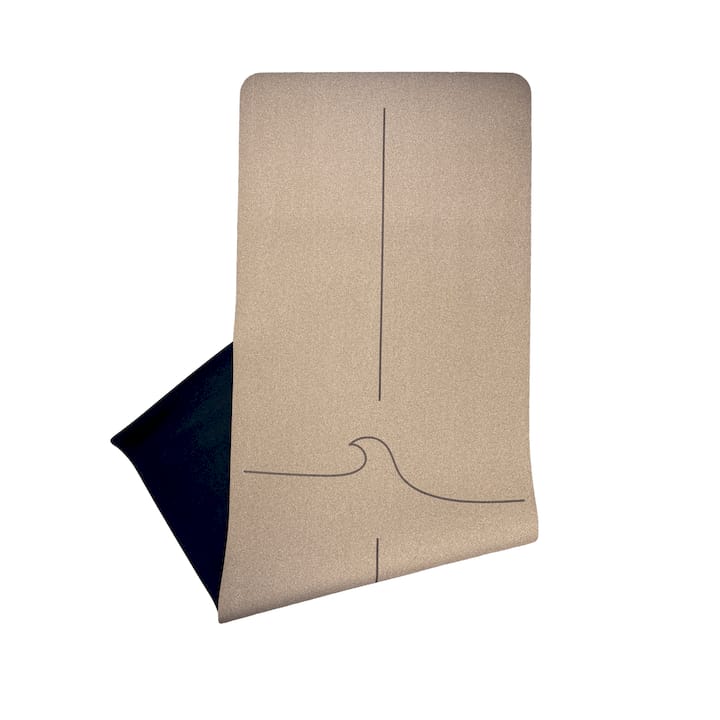
If you’re shopping for a mat that pairs well with the drying routine above, The Wave Mat is Crk’s standard 4mm cork and rubber build, and it’s currently available at a liquidation price for a limited run. The Sun Mat is also on final sale in the same construction, if you prefer a different finish. Pair either one with a dedicated mat cleaning spray for the monthly deep clean, and a separate sweat towel for daily sessions so your mat spends less time fully soaked in the first place. Browse the current lineup and pick the mat that fits your practice.
Sources
Survival of microbes on surfaces depends on material and environmental conditions (PMC article)


